Cels, Dougas, Gengas ... What does this mean?
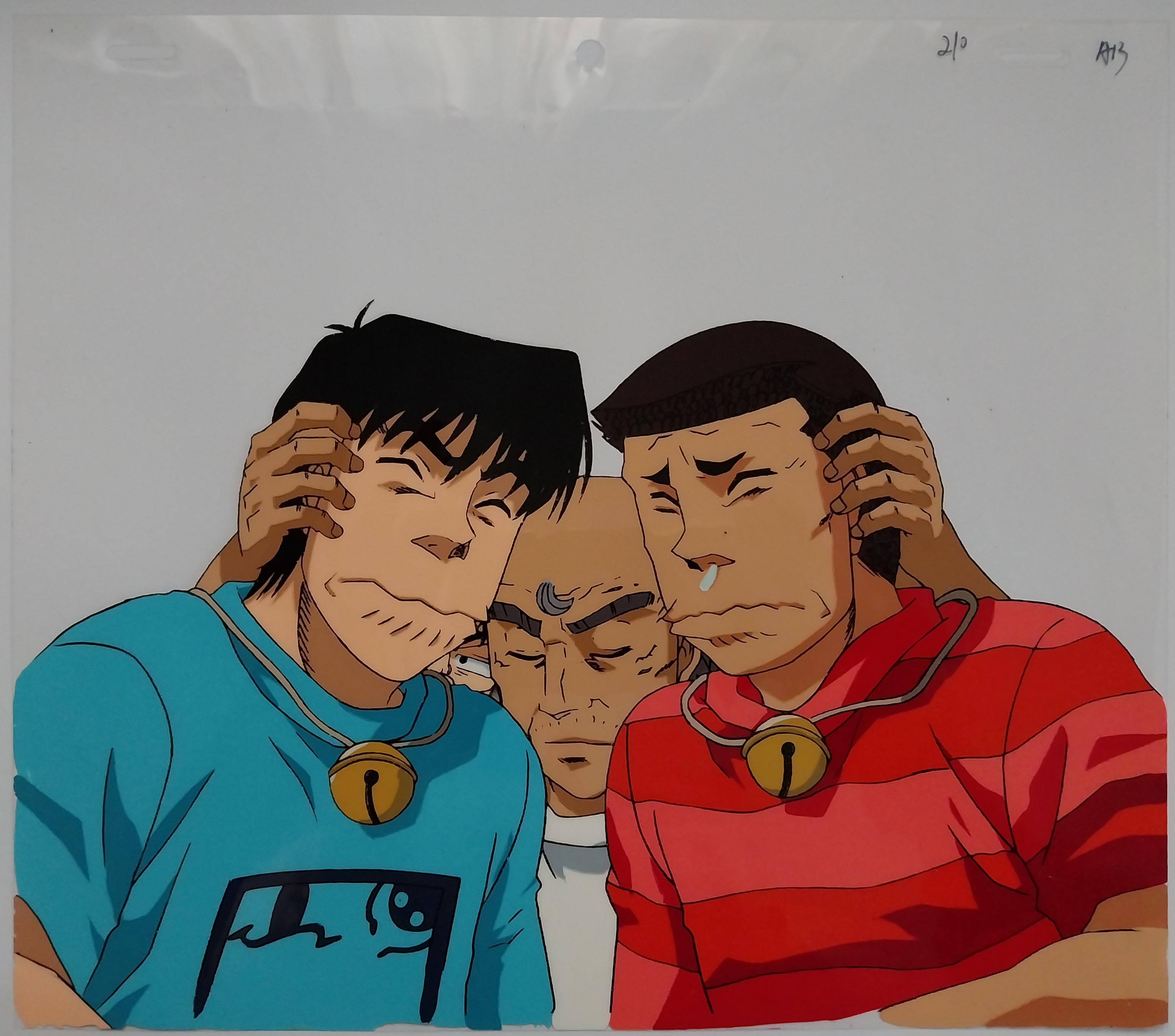
Collecting animation production material is something that I don't usually do, but in the mid-00s, I got some from the usual suspect (Mandarake), and sometimes it's a little difficult to know what is what . For that , I will try to explain some of the terminology of this material.
1. Cels
Transparent plastic sheets painted with acrylic paint are used to make frames of animation . Then the completed cels are photographed one by one against a painted background by a rostrum camera onto motion picture film to produce the final animation.
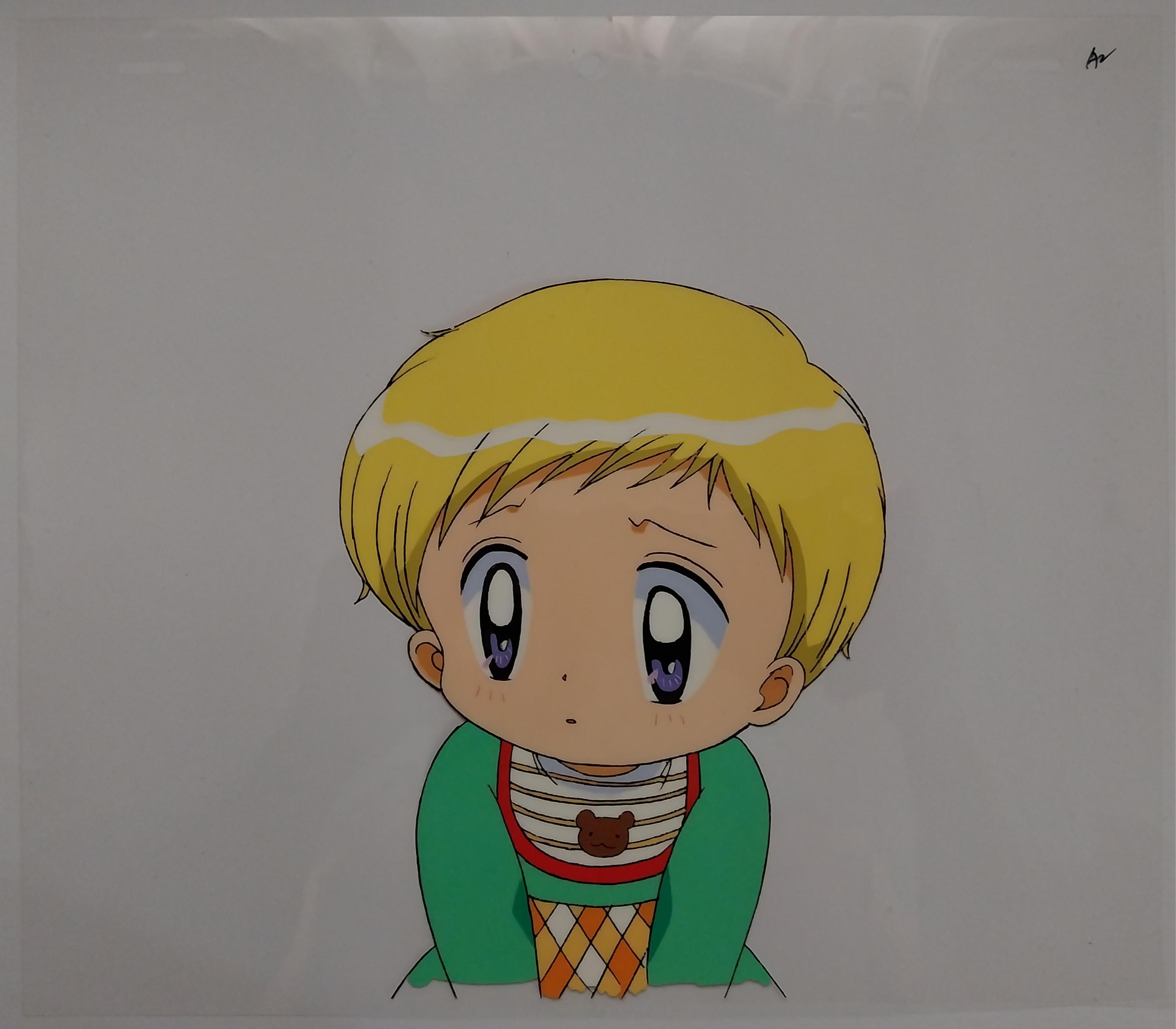
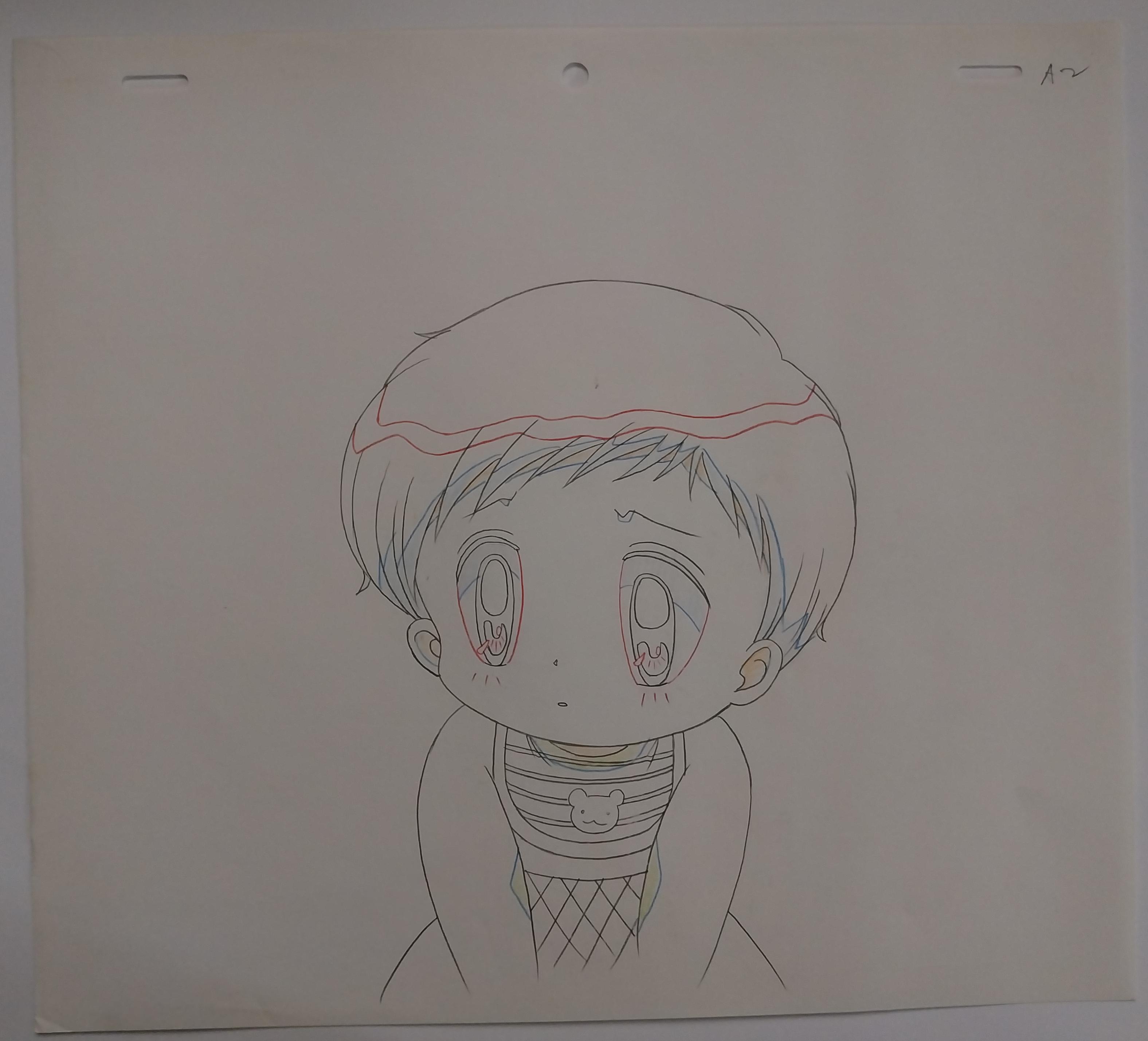
The cels, dougas, and sometimes gengas have information about the sequence (sequence of animation or "shot") that usually has a letter and a number, which indicates the cel layer (A=first layer, B=second layer). If the cel has multiple layers (for movement of the mouth or eyes), the number of the cel in the sequence is indicated (A 2 = top layer of the 2nd cel in the sequence). The first and the last cels of the sequence are called "key cels," and because they are done by the main animators, they are more valuable, as the "in- betweens" are handled by other animation staff or sometimes outsourced.
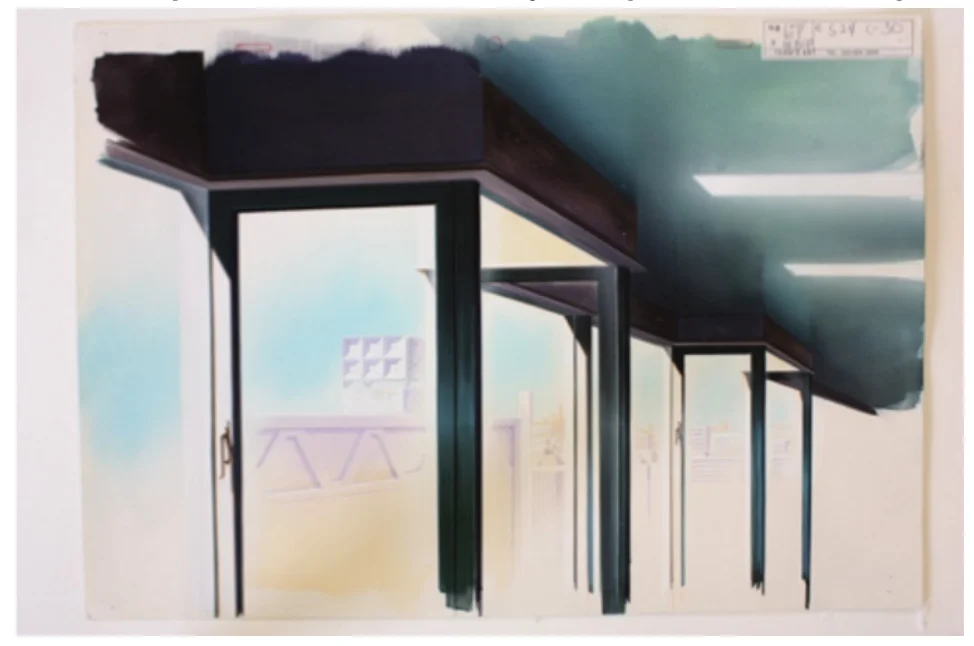
2. Background
Normally made with watercolor on cardboard and larger than the cel , they are more difficult to find than other production material, as they are reused in various shots and sometimes throughout various episodes . Because of that , there are fewer backgrounds than cels.
3. Dougas
These are the pre-cel sketches on paper, drawn with different colors and sometimes with annotations for the creation of the cel.
4. Gengas
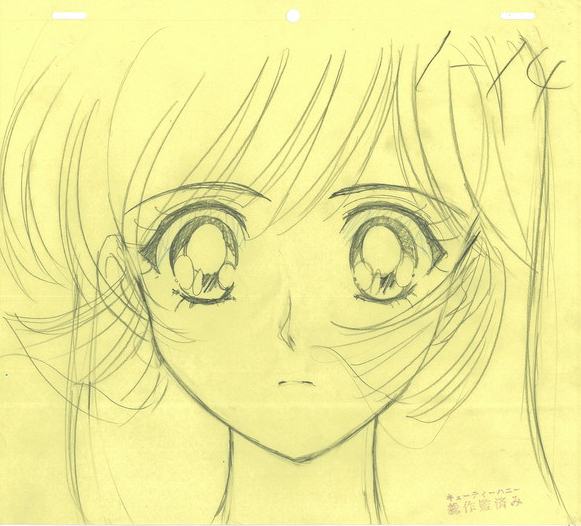
Before dougas, main animators created sketches called gengas to provide reference for making the dougas (and subsequently the cels). They can be less polished than the douga. Sometimes, they made yellow paper gengas that are corrections of an initial douga to be redone.
6. Layout
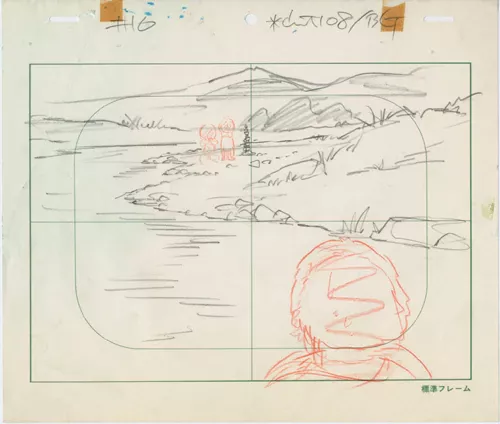
A layout is a more detailed storyboard frame that defines the composition of the sequence, including background, camera angle , and character placement.
7. Storyboard
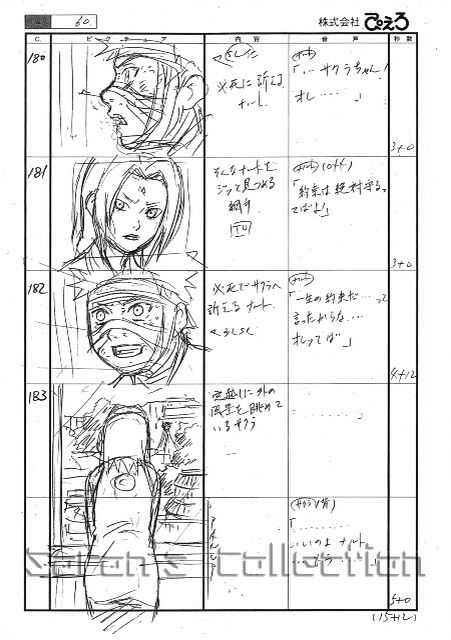
This is the complete view of the episode, with all the sequences, timings, and information for the production company to be able to create the animation. Some have detailed drawings, and some are only references for the action of the scene.
8. Settings
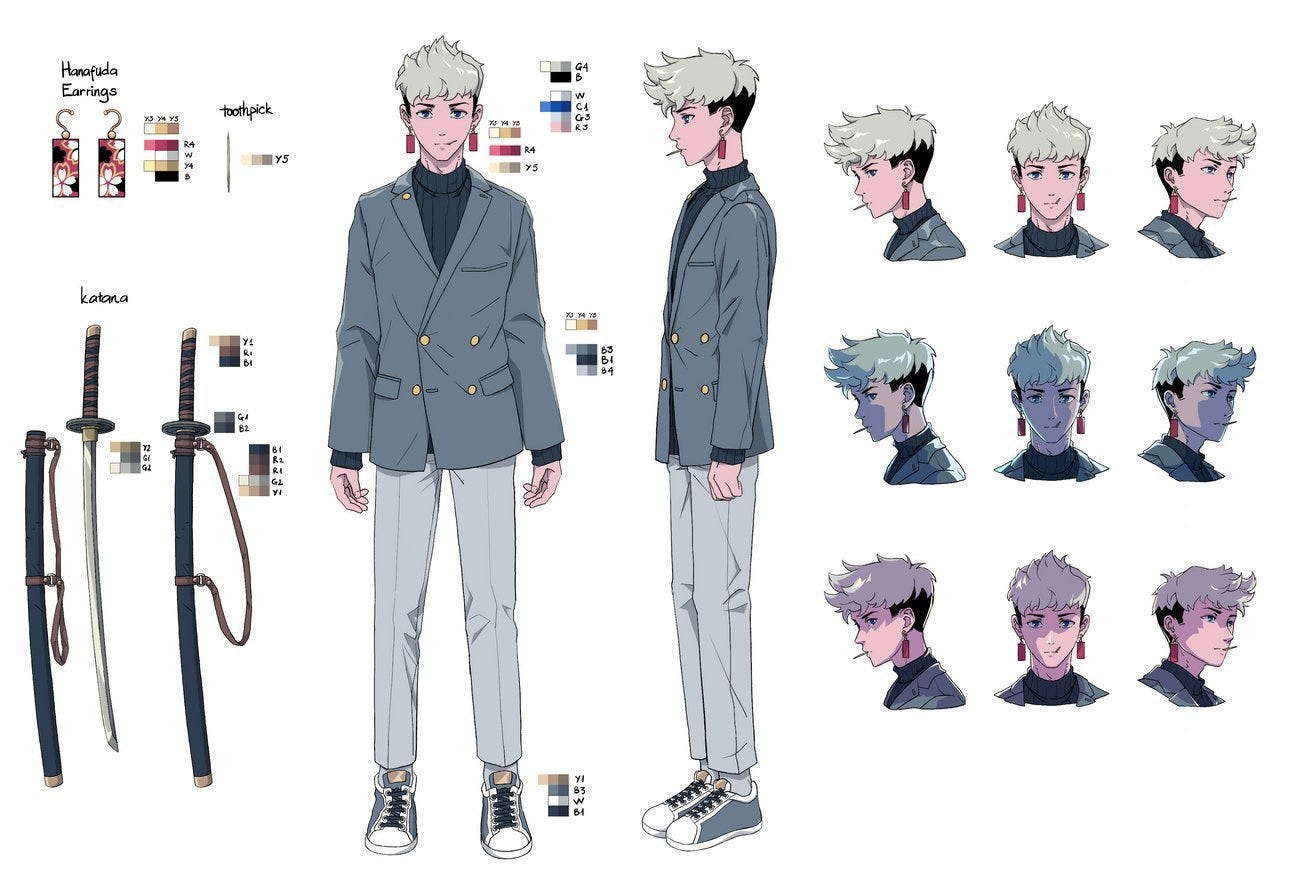
A compilation of drawings serves as a reference for all the animators, containing all characters, some in various positions, and information about sizes and colors , backgrounds, and artifacts . This part is essential to ensure consistency in the animation.
There are more production items out there, but this is most of the categories I found in my search for interesting things to have . If I made a mistake or if you want to share any info, please comment below.
Comments